
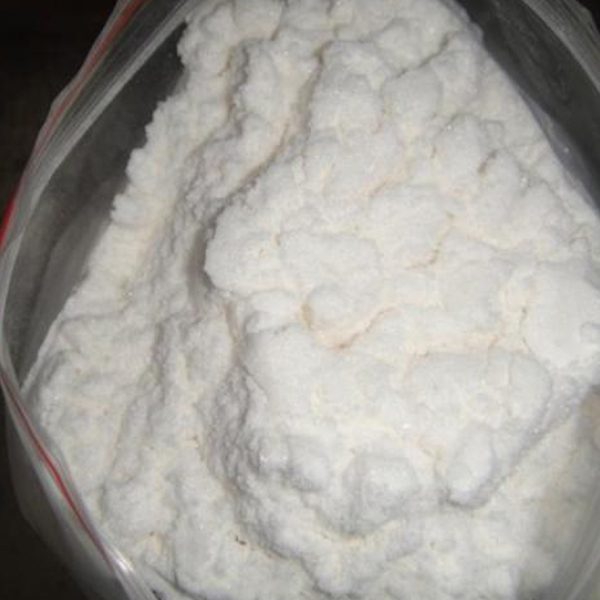
JWH-018
Price range: $700.00 through $1,350.00
When forensic laboratories requireJWH-018 reference materials, this certified naphthoylindole standard enables precise LC-MS/MS profiling of seized substances. Formulated to ≥99.9% purity by ChemNexis Pharma, this analytical material is supplied with strict chain-of-custody logs. Strictly for in-vitro research.
Advanced Analytical Profiling & Forensic Toxicology
When forensic toxicologists need to source JWH-018 for the calibration of high-resolution mass spectrometry, acquiring a definitively characterized naphthoylindole derivative is critical. Chemically known as AM-678, this compound functions as a full agonist at both the CB₁ and CB₂ cannabinoid receptors, with notable selectivity for CB₂. Because clandestine networks continuously alter chemical scaffolds, facilities that acquire JWH-018 rely on this >99.9% pure reference standard to map metabolic pathways and differentiate synthetic artifacts in complex biological matrices.
Core Spectrometric & Pharmacological Parameters
- Chemical Classification: Synthetic Cannabinoid / Naphthoylindole Derivative
- Primary Diagnostic Ion (LC-MS/MS ESI+): Precursor-to-product transitions targeting the naphthoyl core cleavage and alkyl side-chain fragmentation
- Certified Purity: ≥99.0% (Verified via quantitative HPLC-UV & NMR)
- Intended Application: Metabolic profiling, isomeric resolution, and forensic toxicology screening.
Clandestine Diversion & Global Street-Level Masking
In international customs databases, synthetic cannabinoids are frequently intercepted after being sprayed onto botanical substrates. These are routinely seized and mislabeled globally: as Spice or K2 (USA), Black Mamba or Bonsai (Europe/UK), Kronic or Chronic (Australia), and Synthetic Cannabis (Asia). This deliberate mislabeling is exactly why public health labs acquire JWH-018 reference standards to prove misrepresentation, track international adulteration networks, and warn officials about specific toxidromes.
OSINT Forums & Global NPS Monitoring
To anticipate new analog emergence, forensic chemists monitor underground communities. Facilities analyzing this compound cross-reference analytical data with anecdotal reports found on niche platforms. For ongoing SCRA tracking, analysts frequently reference:
- Erowid Vaults: Cross-referencing historical pharmacological data to understand legacy dosage thresholds and structural analog warnings.
- Bluelight.org: Reviewing the Emerging Drugs board for real-world adverse event reports and cutting agent profiles.
- Reddit Communities: Analyzing r/ResearchChemicals and r/chemistry for global precursor trends and analytical warnings.
By leveraging these networks, researchers who source JWH-018 can optimize their chromatographic methods while adhering to strict laboratory safety limits.
Historical Context & Analytical Differentiation
Produced in a modern pharmaceutical laboratory in compliance with all quality standards, this is a designer drug intended strictly for research and forensic analysis. An examination of samples acquired four months following the German prohibition of JWH-018 found that suppliers had shortened the alkyl chain by one carbon to evade the ban. ChemNexis Pharma supplies JWH-018 for legitimate analytical use to close this data gap, allowing toxicologists to map the exact biochemical pathways associated with documented adverse events, such as the inhibition of GABA neurotransmission more efficiently than THC.
Metabolic Profiling & Toxicological Mapping
The most important urinary metabolite is a compound that is monohydroxylated on the omega-minus-1 carbon atom of the alkyl side chain. A lesser metabolite monohydroxylated on the omega (terminal) position was present in the urine of users at concentrations of 6–50 μg/L, principally as a glucuronide conjugate. Facilities that source JWH-018 use this data to calibrate their LC-MS/MS instruments for precise metabolite detection.
Statutory Compliance & Analytical Handling
Human beings are not eligible for consuming this drug. Researchers are strictly using this material as a research chemical in forensic laboratories. Bulk substance is accessible for tutorial research at certified establishments; please contact our sales department for pricing. Facilities that source JWH-018 must maintain strict chain-of-custody logs to ensure this material is used exclusively for supervised in-vitro studies.
STATUTORY COMPLIANCE NOTICE: This reference material is provided strictly for in-vitro analytical research, spectrometric calibration, and educational chemistry. It is explicitly NOT intended for human consumption. End-users must comply with all local precursor monitoring regulations.
Frequently Asked Questions (FAQ)
Q: How does the naphthoylindole scaffold affect mass spectrometry fragmentation?
A: The naphthoyl core yields distinct secondary fragment ions during tandem mass spectrometry. Analysts utilizing JWH-018 can easily distinguish these specific signatures from standard indazole or indole-based synthetic cannabinoids.
Q: Is derivatization required for GC-MS profiling?
A: Yes. Derivatization using BSTFA or MSTFA is highly recommended to prevent thermal degradation in the GC inlet and ensure sharp, reproducible chromatographic peaks.
Q: Will this compound trigger standard workplace drug screens?
A: Standard immunoassays are not designed to detect complex synthetic cannabinoids. Definitive identification requires chromatographic confirmation, which is why toxicologists source this reference standard.
Complementary Forensic Reference Materials:
Expand your analytical library by pairing this naphthoylindole standard with our other verified synthetic CRMs:
| Weight | 50g, 100g |
|---|
Related products

Powder Chemical
Powder Chemical
Powder Chemical
Powder Chemical
Powder Chemical
Powder Chemical
Powder Chemical
Powder Chemical